
The Differences between Hydrotherapy Treatment & Cryotherapy Treatment

The modalities you’re asking about—hydrotherapy treatment and cryotherapy treatment—are among the oldest and most fundamental tools in therapeutic practice. They harness the simple, profound power of water and cold to stimulate the body’s innate healing mechanisms. Please, get comfortable, and let’s have a detailed conversation about how these therapies work and how they might benefit you.
Let’s start by defining these terms clearly. While they are often used together in a contrast therapy format, they are distinct practices.
Definitions
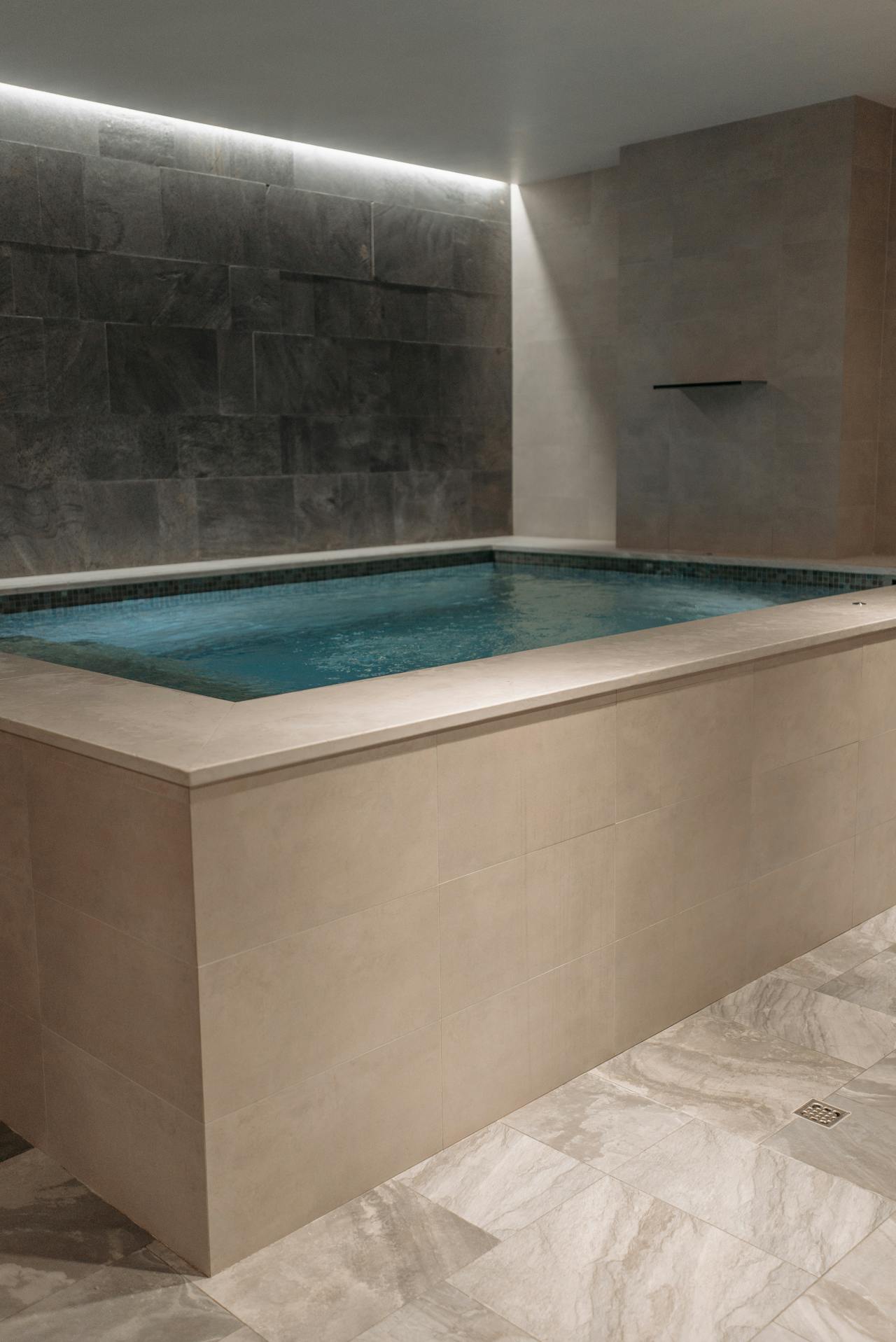
Hydrotherapy treatment is the external application of water, in any form, for therapeutic purposes. It involves the precise use of water temperature, pressure, and movement to create specific physiological responses—including immersion in whirlpools, targeted compresses, or Vichy showers. Temperatures range from warm to cool, each eliciting different effects.
Cryotherapy treatment is the targeted application of cold for therapeutic benefit. In a clinical massage setting, it is most often localized (e.g., ice or cold gel packs). The goal is to reduce tissue temperature to decrease inflammation and pain.
How They Work
Warm hydrotherapy causes vasodilation: surface blood vessels expand, bringing warm, oxygen-rich blood that soothes nerves, relaxes muscle tissue, and promotes healing—like gently thawing a frozen garden hose to restore flow.
Cryotherapy causes vasoconstriction: vessels constrict to conserve heat, reducing local blood flow, swelling, and inflammation while numbing nerve endings for analgesia. After cold is removed, reactive vasodilation floods the area with fresh blood to flush waste and aid recovery—a therapeutic pumping effect.
Benefits of Each
Hydrotherapy (warm)
- Muscle relaxation & pain relief: Soothes stiff, sore, and tense muscles; helps break the pain-spasm cycle.
- Improved circulation: Vasodilation supports cardiovascular health and nutrient delivery.
- Reduced stress & anxiety: Warm water immersion calms the nervous system.
- Enhanced flexibility: Heat makes muscles and fascia more pliable, aiding range of motion.
Cryotherapy (cold)
- Reduced inflammation & swelling: Gold standard for acute injuries and post-surgical swelling.
- Pain management: Numbs nerve endings to relieve acute sprains, strains, and some nerve pain.
- Faster post-exercise recovery: Helps manage microtears and soreness after intense activity.
Contrast Therapy
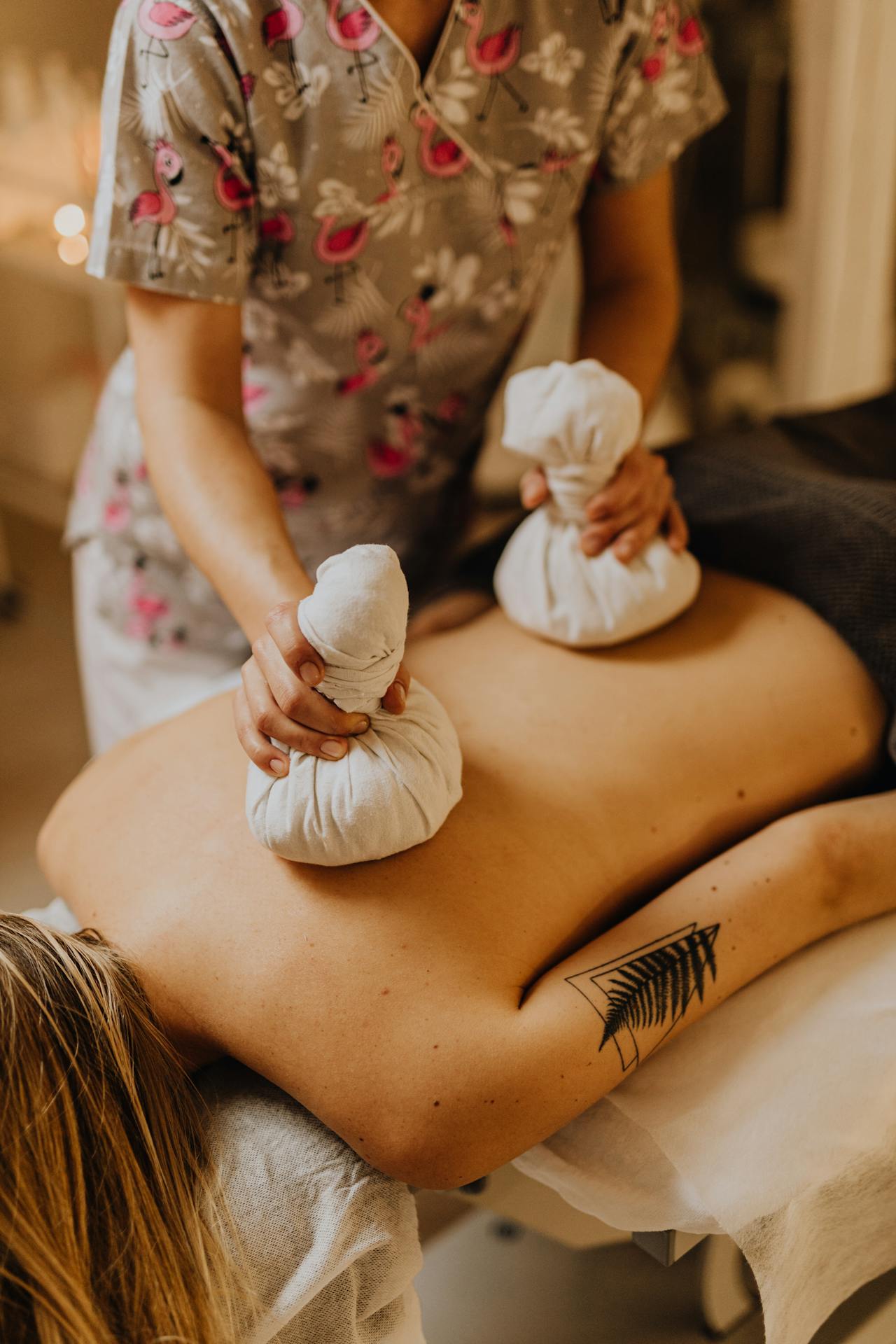
Alternating warm hydrotherapy and cold cryotherapy creates a strong pumping action in the circulatory and lymphatic systems. Warmth dilates vessels; cold constricts them. Alternation enhances waste removal and oxygen delivery, reducing chronic inflammation and speeding recovery.
Who Benefits Most?
Hydrotherapy (heat)
- Chronic muscle tension or stiffness.
- Osteoarthritis or fibromyalgia.
- Deep relaxation and stress relief.
- Circulation support.
- Preparation before massage or stretching.
Cryotherapy (cold)
- Acute injury (sprain/strain/bruise) within 48–72 hours.
- Post-workout inflammation and soreness.
- Acute tendonitis flare-ups.
- Nerve pain that responds to numbing.
Contrast Therapy
- Chronic plantar fasciitis or ankle instability.
- Overall recovery and athletic performance.
- Persistent, low-grade inflammation.
Safety & Contraindications
Avoid heat for acute injuries, areas with numbness, or certain cardiovascular conditions. Avoid cold for Raynaud’s disease, significant circulatory issues, or cold hypersensitivity. A thorough health intake ensures the approach is safe for you.
Bottom Line
Hydrotherapy and cryotherapy work with the body’s wisdom: non-invasive, drug-free methods that reduce pain, control inflammation, and promote healing. They can stand alone or be combined in a broader therapeutic plan. If you’re curious, we can discuss a personalized session tailored to your goals.