
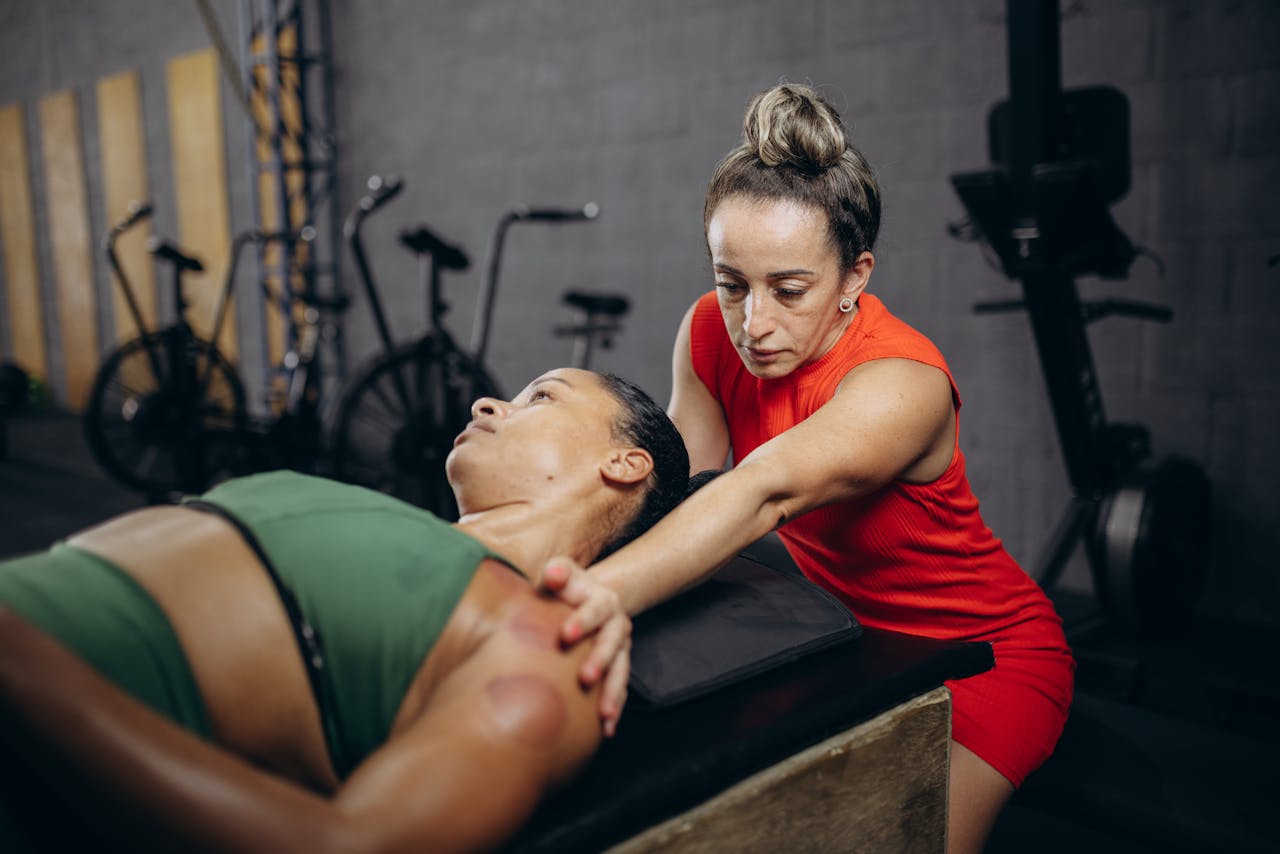
Let’s have a detailed conversation about Pre- & Post-sports massage. They are incredibly valuable tools for athletes and fitness enthusiasts—serving two very different, but equally important, purposes. Please get comfortable and let’s dive in.
It’s crucial to understand these are not typical relaxation massages scheduled around a workout. They are targeted, clinical interventions designed to prepare the body for exertion and then to aid its repair afterward. Think of them as integral parts of your training schedule—as important as your warm-up and cool down.
The Differences Between Pre & Post Sports Massages
Pre-Sports Massage is typically scheduled a few hours to 30 minutes before your event or training. The goal is the opposite of a nap-inducing session: it stimulates the nervous and musculoskeletal systems for peak performance—like a dynamic warm-up performed by a skilled therapist.
It’s characterized by an invigorating, brisk pace using more superficial, rhythmic techniques: brisk, gliding effleurage, percussive tapotement (hacking or cupping), and gentle shaking/jostling of the limbs. Pressure is light to moderate—never deep enough to create soreness or break down tissue. We target the muscle groups you’ll use most (e.g., legs, glutes, hips for runners; dominant arm/shoulder and core rotators for tennis players).
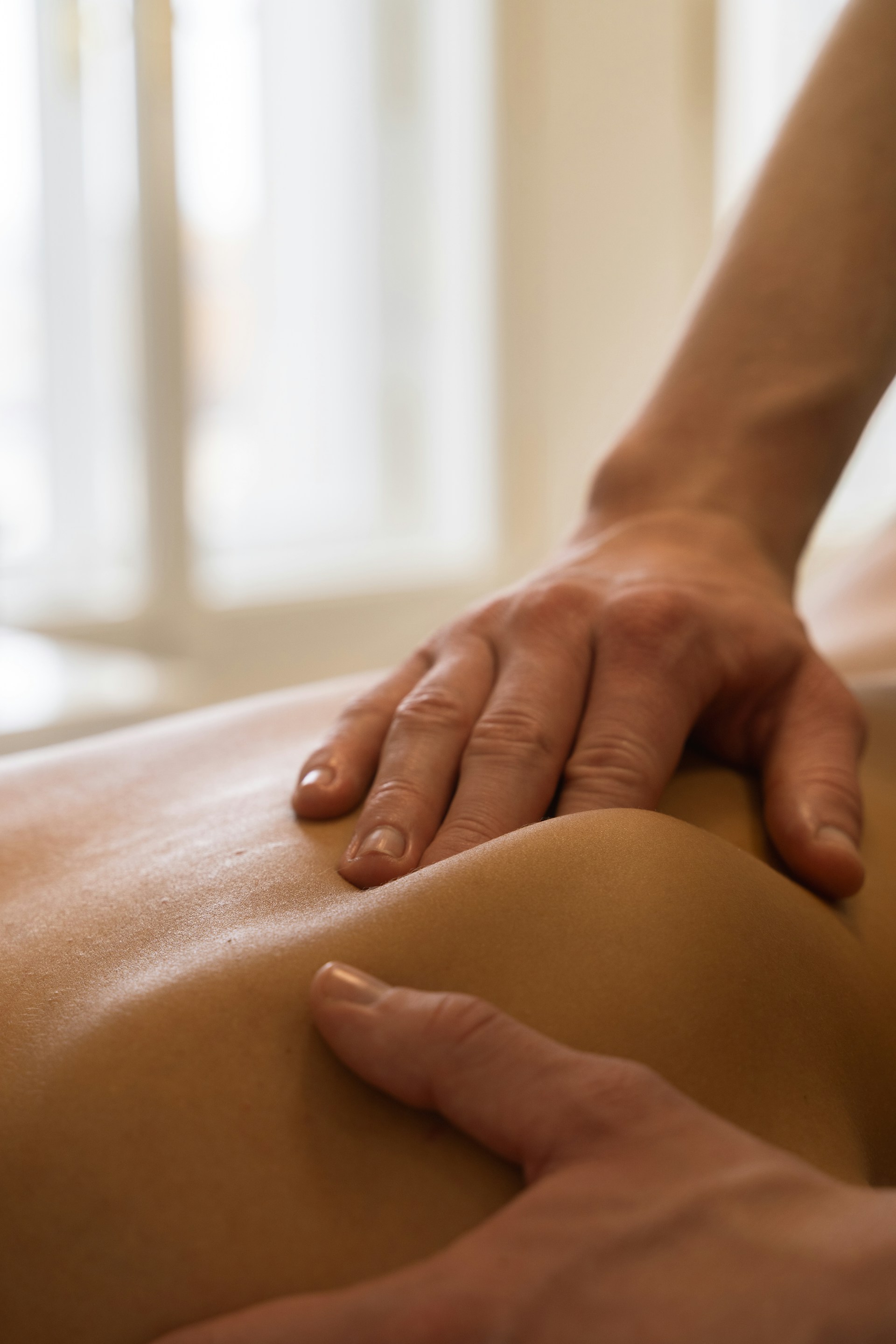
The Benefits of a Pre-Sports Massage
- Increased blood flow & oxygen delivery — pumps fresh oxygen and nutrients into working muscles to delay early fatigue.
- Enhanced flexibility & range of motion — warms tissues for more efficient movement.
- Mental preparation & focus — stimulating input sharpens alertness and primes performance.
- Injury prevention — warmed, elastic muscles are less prone to strains, pulls, and tears.
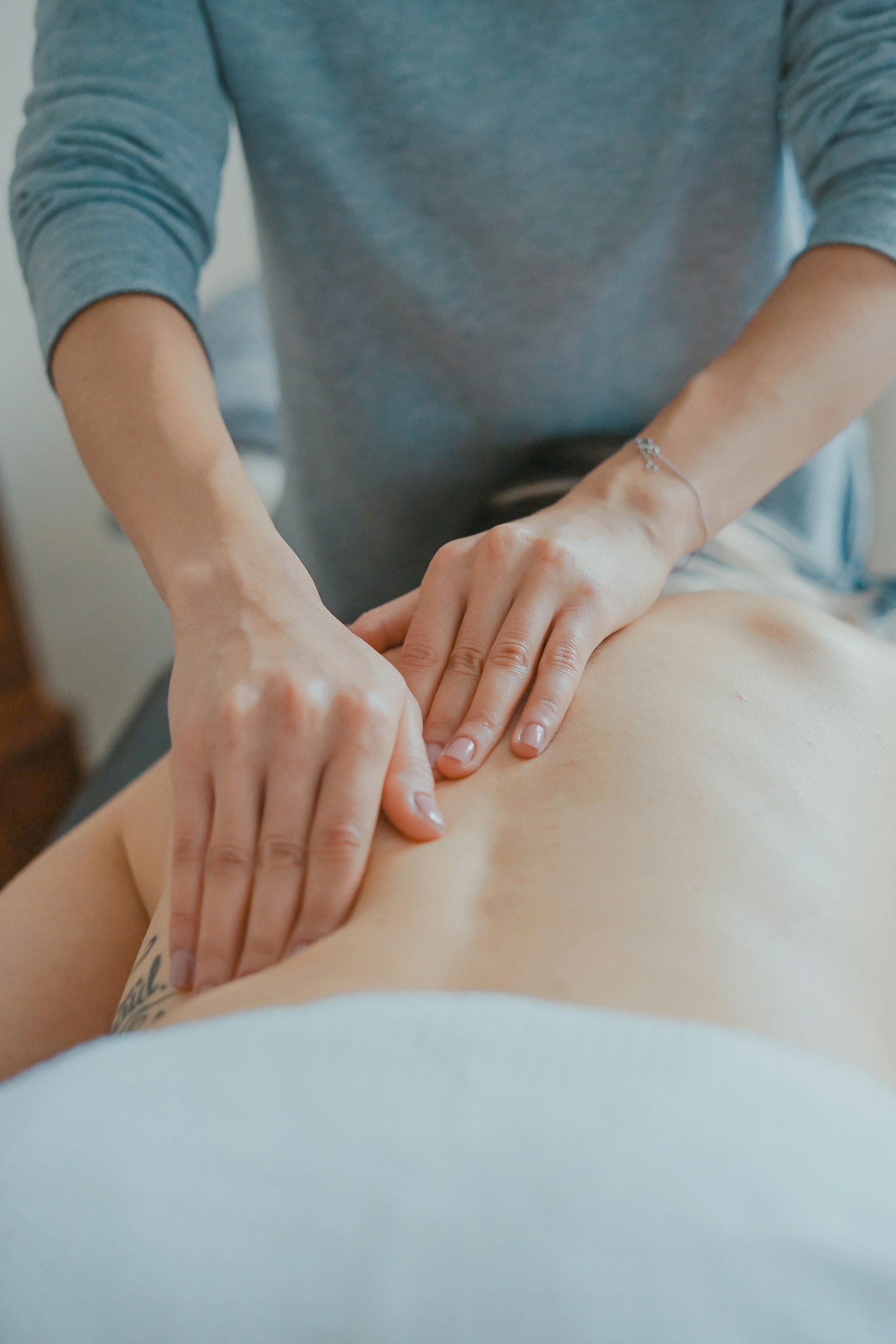
What Happens During a Post-Workout Massage
Post-Sports Massage is scheduled after activity, ideally within 24–48 hours. Goals shift from preparation to recovery: fatigued muscles with microtears and metabolic waste (e.g., lactic acid) need help to heal. Sessions are slower and restorative, using broad, gentle strokes to encourage venous return and lymphatic drainage, flushing the byproducts that drive soreness.
As tissues relax, the therapist may add deeper, cross-fiber friction to address hotspots and align healing fibers to limit adhesions/scar tissue. Pressure ranges from moderate to deep, always within your comfort and guided by communication.
The Benefits of a Post-Workout Massage
- Faster recovery & less DOMS — boosts circulation/lymph to clear waste and calm inflammation.
- Decreased muscle tension & spasms — shifts the body into parasympathetic “rest & digest.”
- Restored range of motion — lengthens tight tissues to reduce next-day stiffness.
- Early issue detection — identifies budding problem areas before they become injuries.
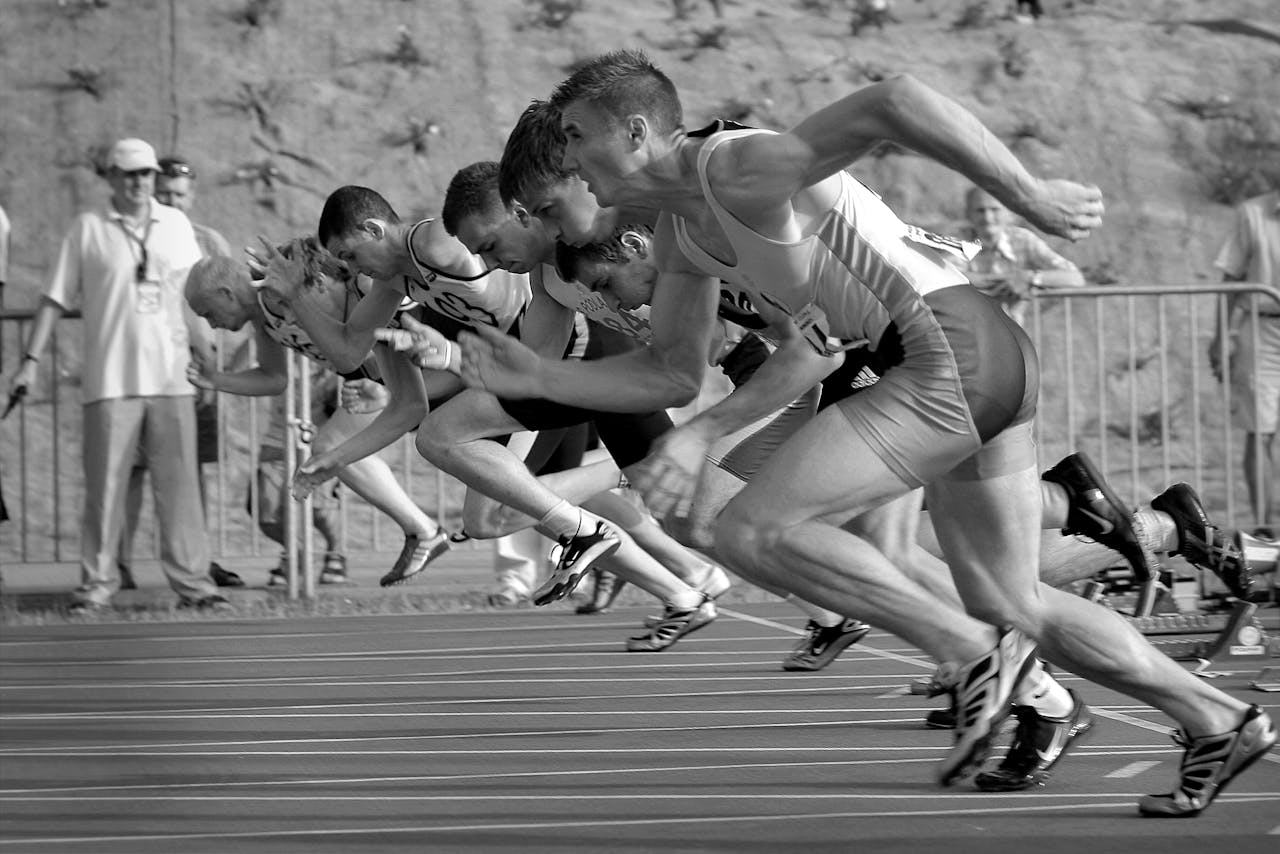
Who Are the Best Candidates?
Anyone physically active who wants to optimize performance and recovery:
- Competitive athletes: runners, cyclists, swimmers, field/court sports.
- Weekend warriors: hard efforts on the weekend, less soreness on Monday.
- Recreational fitness: better workouts, more enjoyable training.
- Rehab support: coordinated with PT to manage scar tissue and maintain flexibility.
Note: deep tissue is generally avoided in Pre-Sports Massage to prevent temporary weakness, while intense stimulating techniques are avoided in Post-Sports Massage to allow the nervous system to calm down.
The Bottom Line
Integrating both pre- and post-sports massage into your routine is a powerful strategy. Athletic achievement isn’t only about the work during the event—it’s also about how intelligently you prepare and recover. Respect your body’s processes and give it the support it needs to excel.
Have questions or want guidance on timing/techniques for your sport? I’m happy to help.