Cupping Therapy: Ancient Healing for Modern Wellness
Cupping therapy is an ancient form of care that has gained renewed popularity thanks to athletes, celebrities, and holistic practitioners. By creating gentle suction with cups on the skin, this technique promotes circulation, relaxation, and tissue recovery. But what is it used for, where did it originate, and how does it fit within Traditional Chinese Medicine (TCM)? Let’s explore the history, benefits, and applications.
The History of Cupping: A Global Tradition
- Ancient Egypt: The Ebers Papyrus (c. 1550 BCE) describes cupping for fever, pain, and infections.
- Traditional Chinese Medicine: Used for 2,000+ years for respiratory and musculoskeletal complaints.
- Greek & Roman Medicine: Hippocrates advocated cupping for internal diseases and structural imbalance.
- Islamic Medicine: Ibn Sina (Avicenna) praised cupping in The Canon of Medicine for pain relief and detoxification.
- Europe & America: Common in the 18th–19th centuries; today it’s resurging within integrative care.
Cupping in Traditional Chinese Medicine (TCM)
In TCM, health reflects the smooth flow of Qi (vital energy) and blood. When stagnation develops from stress, injury, or illness, pain and dysfunction can arise. Cupping is used to disperse stagnation and restore harmonious flow.
- Helps release pathogenic factors (wind, cold, damp) that contribute to illness.
- Supports immune function by promoting balanced energy along meridians.
- Traditionally applied for respiratory complaints by clearing phlegm and easing chest tightness.
What Is Cupping Therapy Used For?
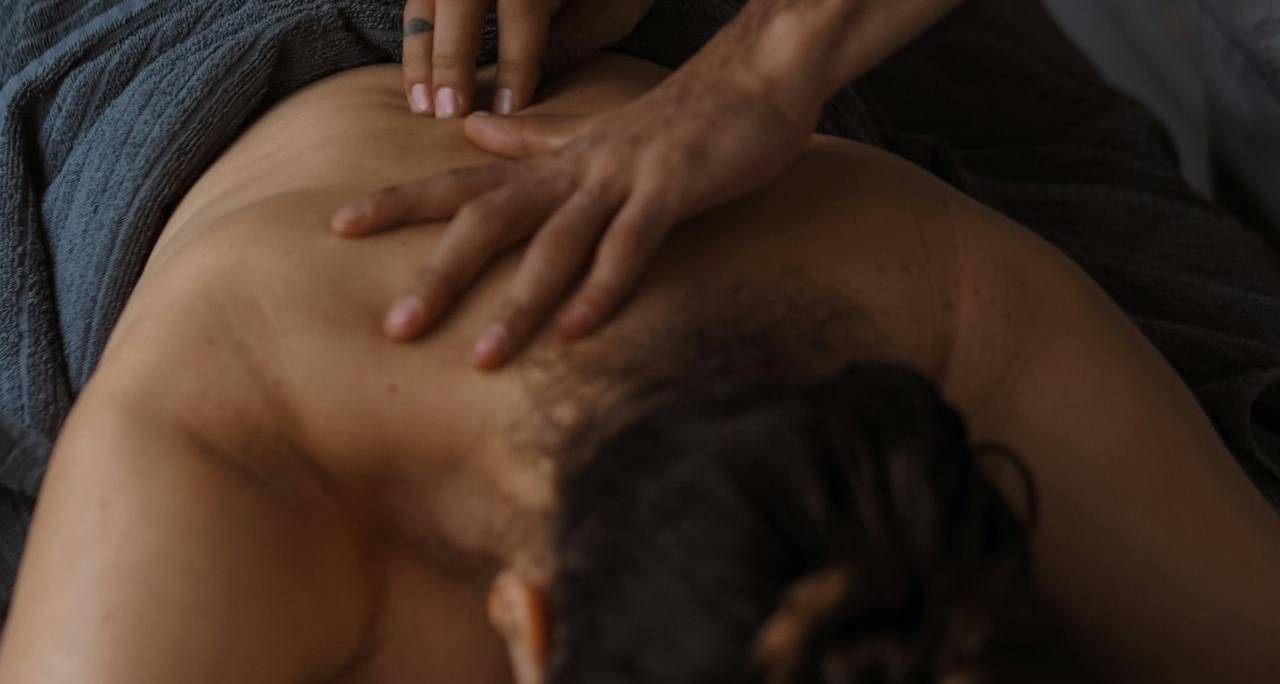
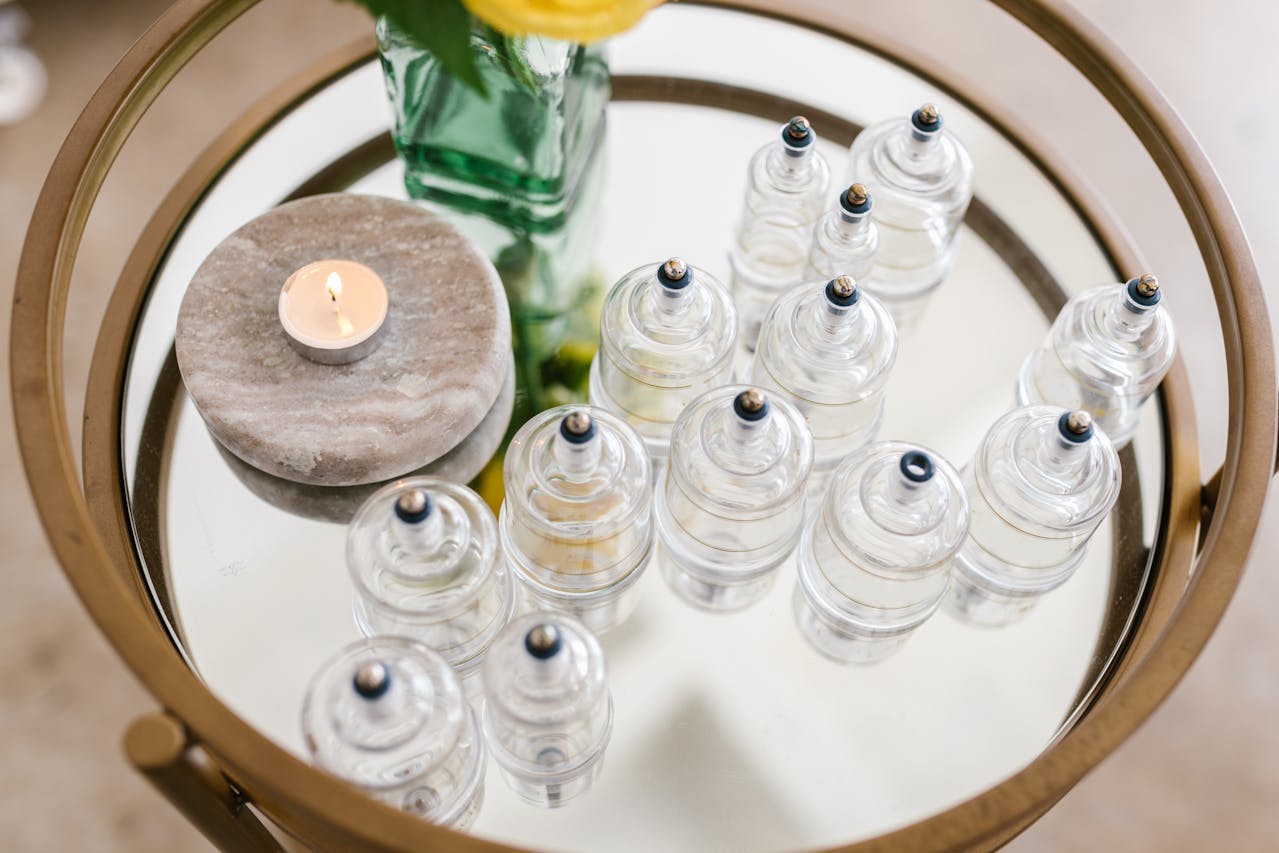
Cups (glass, silicone, or plastic) are placed on the skin; suction gently lifts the tissues. This negative pressure stimulates blood flow, eases tension, and may support recovery. Common reasons people seek cupping include:
- Pain relief: Helps loosen tight muscles, reduce inflammation, and improve mobility in the back, neck, and joints.
- Improved circulation: Draws oxygenated blood to the area and assists with waste removal for quicker recovery.
- Reduced inflammation: May encourage anti-inflammatory responses helpful for arthritis or fibromyalgia.
- Relaxation & stress relief: Activates the parasympathetic nervous system for a deep sense of calm.
- Respiratory support (TCM): Traditionally used for colds, bronchitis, and asthma to help clear congestion.
- Lymphatic support: Some use cupping to encourage lymph flow and detoxification.

Types of Cupping Therapy Techniques
- Dry cupping: The most common method; suction is created with heat or a pump.
- Wet cupping (Hijama): Traditional practice involving tiny skin pricks before cupping to draw minimal blood.
- Fire cupping: Briefly heating glass cups to create suction before placement.
- Moving cupping: Applying oil to glide cups for a massage-like effect.
- Silicone cupping: Flexible cups for gentle self-care or facial work.

What to Expect During a Cupping Session
- Assessment: We discuss your goals and determine appropriate techniques.
- Application: Cups are placed on focus areas (back, shoulders, legs).
- Suction: Feels like a steady, lifting pull.
- Removal: Cups are released gently; temporary circular marks may appear and fade within days.
Potential Side Effects & Considerations
When performed by a trained professional, cupping is generally well tolerated. Possible effects include temporary discoloration, mild soreness, or skin irritation. Avoid cupping over open wounds or infections, and use caution with severe osteoporosis or clotting disorders. Certain areas are avoided during pregnancy.
Final Thoughts: Is Cupping Right for You?
Cupping blends ancient wisdom with modern goals—relief, relaxation, and recovery. If you’re curious, consult a licensed practitioner to see how cupping can be integrated into your wellness plan.